
A warm welcome to your new website
We’ve made improvements to help you find what you need more easily. If anything doesn’t work as expected, please let us know using the feedback button below.


This guide provides information on being an adult carer. The legal rights you have, and how to access further information and advice to support you in your caring role.
Caregivers ... You matter. Your health matters. Your life matters.
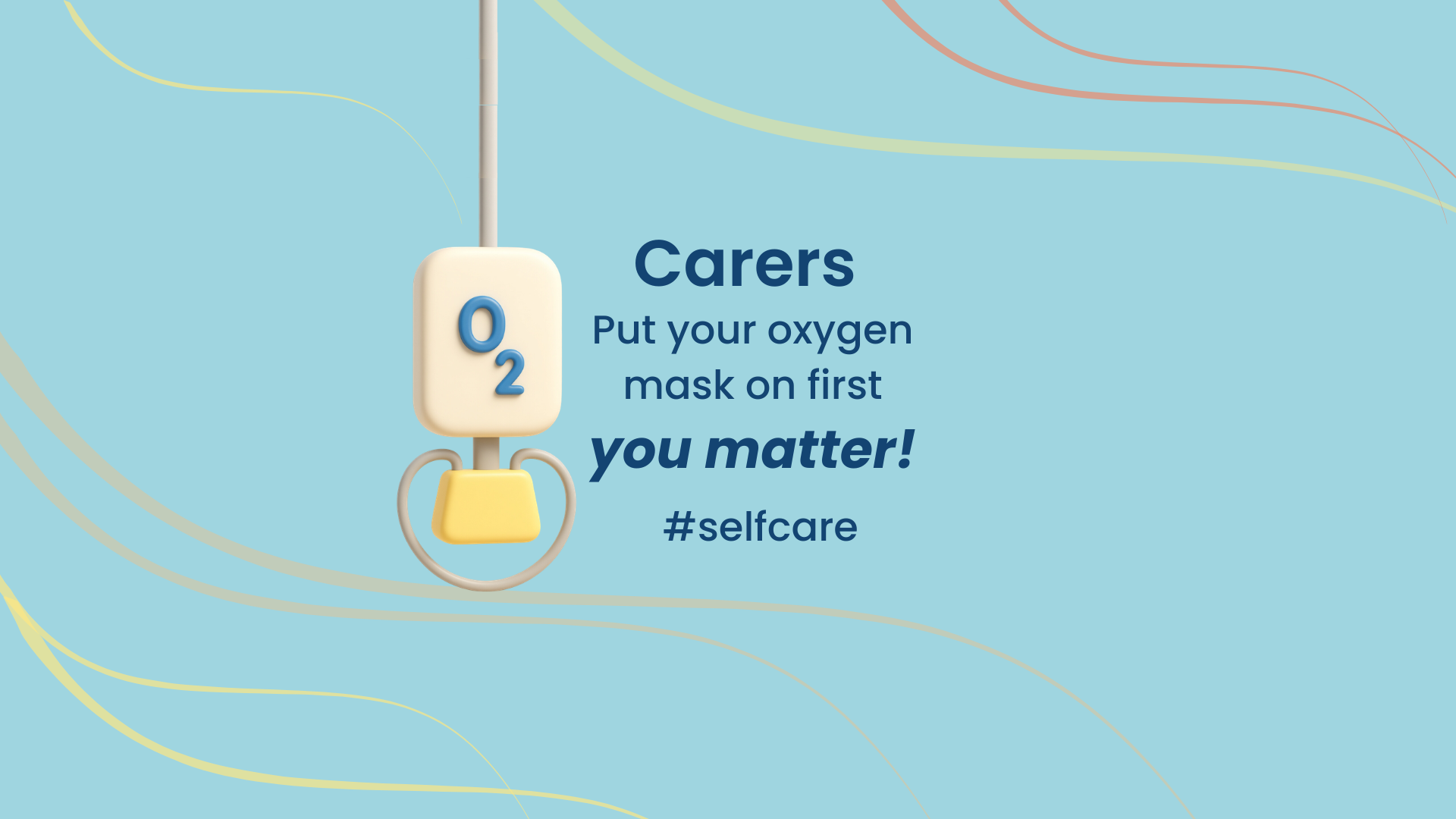
Providing care and support for a family member, friend, or neighbour can be both rewarding and exhausting. While it is fulfilling to help others, caregiving can make it hard for you to enjoy other important parts of your life. Over time, this can affect your health and wellbeing.
Whether you are new to caregiving, have been doing it for years, or are facing changes in your role, it is important to seek support as early as possible. This will make your caregiving role more sustainable for both you and the person you are caring for.
The Occupational Therapy (OT) pathway is designed to support unpaid carers in managing their own health and wellbeing. This pathway begins with a personal conversation, recognising that each caregiver's situation is unique.
During your initial appointment with the occupational therapist, you may be asked questions like:
Together, you and the occupational therapist will find ways to overcome these challenges, focusing on your strengths, interests, and values.
Depending on your needs, you may be offered:
To join the small group programme, you can self-refer by calling 0300 3690 680 and asking for the “OT group for caregivers.” An occupational therapist will contact you to ensure the programme meets your needs.
You can also talk to any health or social care professional involved in your care or speak with your GP for a referral.
Early intervention and self-management are key to sustaining your health and wellbeing. By seeking support early, you can develop the skills needed to navigate your caregiving role with greater ease.
By following these steps and accessing available resources, you can maintain balance in your life while continuing to provide care.
Meet Annie and Kari-Ann who have both been engaged in the Occupational Therapy Carers Pathway.
Hear their stories, and how carer support has benefitted them personally.
Video not displaying correctly? View Annie's Story via YouTube
Video not displaying correctly? View Kari-Ann's Story via YouTube
Clinical Lead Occupational Therapist Ali Buchanan and Specialist Occupational Therapist Cat Brown are interviewed by Australian podcaster Rhiannon Crispe, founder of the OT Lifestyle Movement Podcast about introducing the Occupational Therapy Carers Pathway in East Lothian. The podcast covers:
Give your feedback about the website
We welcome your feedback on all our services: make a comment, complaint or suggestion.