We’ve made improvements to help you find what you need more easily. If anything doesn’t work as expected, please let us know using the feedback button below.
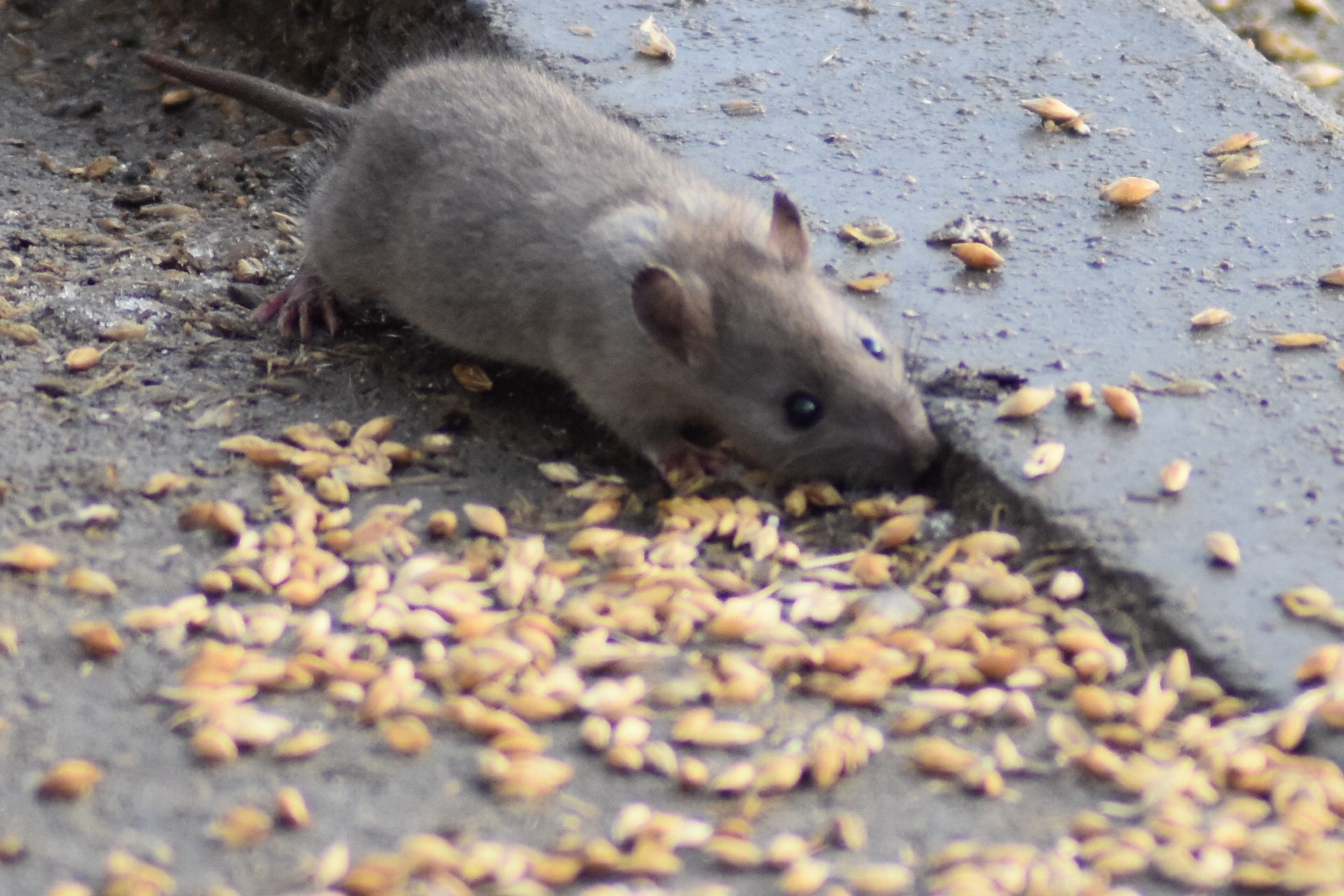
Rats are generally brown in colour with an off-white under belly, they can grow to 270mm long and have a tail length of up to 200mm.
Rats live in close association with other animals and humans and are usually nocturnal. They are good swimmers, climbers, jumpers and burrowers meaning they can survive in various types of locations such as homes, gardens and sewer systems.
The rat has poor eyesight but an excellent sense of touch, taste, smell and hearing.
If left untreated rat populations can grow rapidly.
Pest Control - Rats
Why must rats be controlled?
rats can transmit many diseases to humans, including Salmonellosis (food poisoning) and Weils disease
rats will eat or contaminate food intended for humans. It is estimated that up to 5% of food produced world-wide is lost as a result of rodent activity
they can cause damage to buildings and other structures by gnawing and burrowing
common rats live in any situation that provides food, water and shelter
in homes, they will live in roof spaces, wall cavities or under floorboards
in gardens, they will burrow into compost heaps and grassy banks or under sheds
rats are often found living in sewer systems, they are agile climbers and excellent swimmers
Signs of infestation
sightings - of live or dead rats
rat droppings - common rat droppings can be 12mm long and taper at both ends
runs - rats follow the same routes when travelling and leave trails through the grass and low vegetation
footprints and tail swipes- found on muddy or dusty surfaces
smears - dark grey marks left on surfaces by repeated contact with rat fur
burrows - entrance holes 7-120mm in diameter in grassy banks, under tree roots, at the end of paving or drain cover surrounds
nests - sometime found indoors, in lofts or under floorboards
gnawing - rats gnaw continually, even on non-food materials, in order to wear down their front teeth
Preventive measures
You can help prevent an infestation by ensuring you:
remove potential nestingsites - keep yards and gardens clean and tidy and cut back any overgrown areas
store materials - at least 19 inches off the ground to make access harder and identification of infestation easier
maintain your home - keep your home in good repair so that rats cannot gain access, this includes drain covers, outhouses and garages
manage household waste - do not leave household waste where rats can gain access
manage food and food waste - store in sealed containers, including compost bins
maintain outdoor pet areas - keep outdoor pet areas, e.g. rabbit hutches or pigeon lofts etc, clean and tidy. Remove dog mess from your garden regularly
do not feed wild birds or other animals to excess - you may be feeding rats as well