We’ve made improvements to help you find what you need more easily. If anything doesn’t work as expected, please let us know using the feedback button below.
Advice and information on improving balance and mobility, as well as top tips to prevent trips and falls.
Contents
Fall prevention advice
Have you had a fall, trip, slip, or a close call? You’re not alone. There are many ways to help you stay steady and confident on your feet.
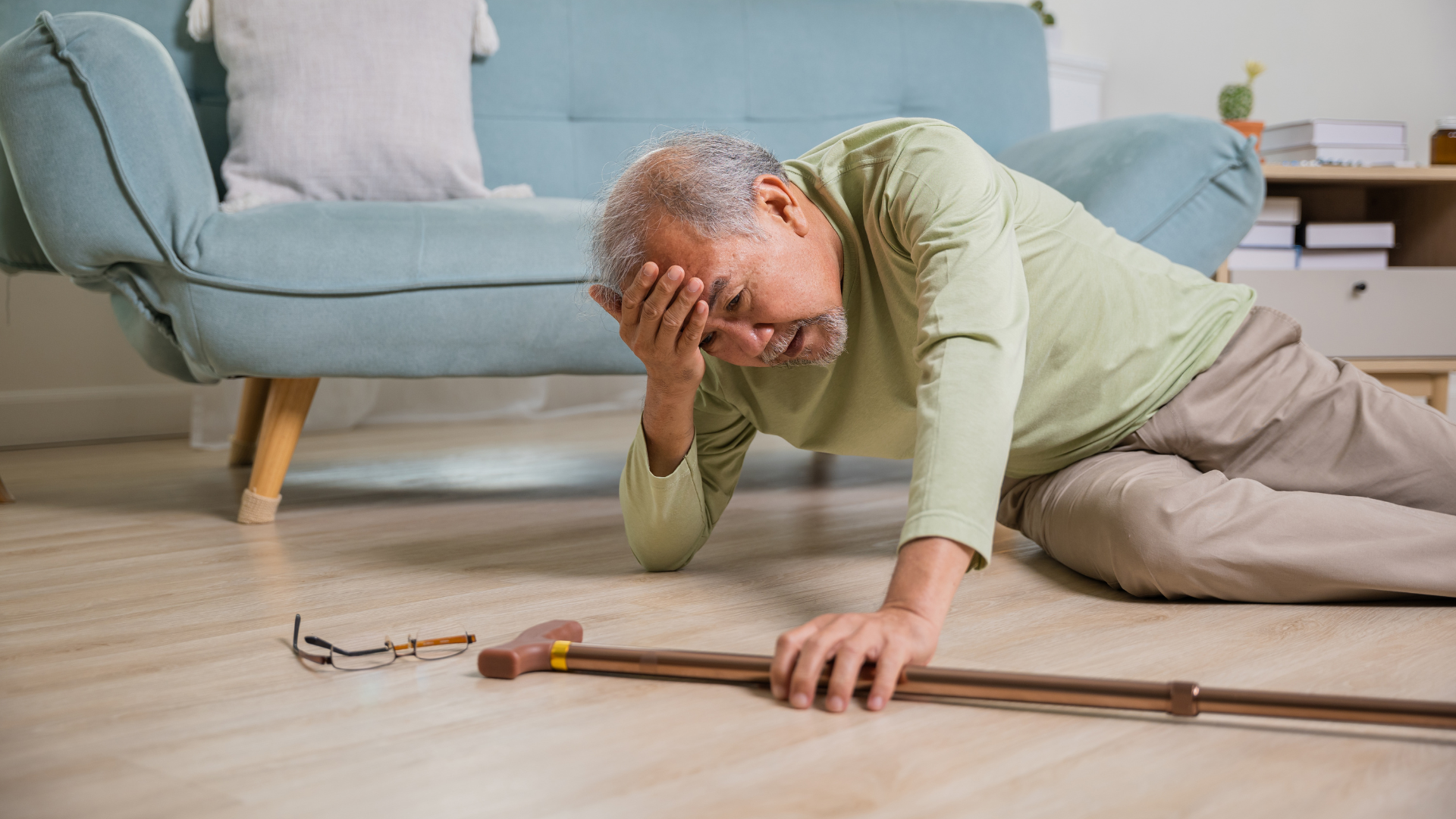
Falls happen more often than many people think. In fact, one in three adults over 65 will have a fall at least once a year. The good news is that most falls can be prevented!
This page gives you helpful advice, handy tools, and important information to help you or your loved ones avoid slips, trips, and falls. We want to keep you safe and steady on your feet.
Many things can increase your chance of falling. Our checklist can help you find out what these risks are and how to reduce them, so you can stay safe and independent.
Falls prevention accordion
Self-management falls prevention check list
Your general health
Do you ever feel any of these things?
Dizziness
Blackouts
Light-headedness
Fainting
Are you keeping track of your health conditions?
If you said yes to any of the above, it’s important to talk to your doctor.
Why is this important?
Taking care of your health and fixing any problems early can help stop you from falling and keep you safe and independent.
Medicines and keeping safe
Some medicines can make you feel dizzy, sleepy, or unsteady. This can increase your chances of falling, especially if you take several medicines or don’t take them as your doctor or pharmacist told you.
Why is this is important?
It's good to have regular check-ups with your doctor or pharmacist to make sure your medicines are still right for you and safe to use.
Taking your medicines on time and as directed helps keep you healthy and can lower the chances of side effects that might lead to falls.
Knowing about your medicines - like when and how to take them - can help you stay steady and independent.
Seeking assistance:
If you have questions about your medicines, please talk to your doctor or pharmacist.
Keeping your bones strong is very important. Strong bones help prevent injuries if you fall. As we get older, our bones can become weaker and more fragile, which increases the risk of breaks, especially in the hips, wrists, or spine.
Why is this important?
Strong bones are less likely to break when you fall.
Eating foods with enough calcium and vitamin D helps your bones stay strong.
Doing regular weight-bearing exercise can help keep your bones healthy.
Checking your bone health and treating conditions like osteoporosis can lower the chance of fractures.
Seeking assistance:
If you have any worries about your bone health or want to talk about osteoporosis, please reach out to your doctor for advice and support.
It’s important to stay active and independent as you get older. If you feel unsteady or find it hard to walk, using a walking aid can help you keep your balance and lower the risk of falling.
Why is this important?
Walking aids give you extra support and help you feel stable.
Using the right walking aid in the right way can help you feel more confident and safer.
A check-up with a physiotherapist can make sure you have the right aid and know how to use it safely.
Seeking assistance:
You can refer yourself for a walking aid assessment by contacting the East Lothian MSK Physiotherapy Service
Eyesight and hearing
Good eyesight and hearing are very important for keeping your balance and knowing where you are. As we get older, our vision and hearing can change, which may increase the chance of falling.
Why is this important?
Poor eyesight can make it hard to see how far away things are, spot steps or obstacles, and adjust when the light changes.
Hearing loss can affect our balance and make it difficult to notice things around us, like people or cars coming close.
Regular checks for your eyes and ears can help find any problems early. This way, you can get the right help, like new glasses or hearing aids.
Seeking assistance:
You can contact specialist services to assist with your eyesight and hearing:
Taking care of your feet and wearing the right shoes can help keep you safe and prevent falls. Problems with your feet, like pain, poor blood flow, or not feeling them properly, can make it hard to stay balanced and walk safely.
Why is this important?
Good foot care helps you avoid pain and problems that can make you wobbly.
Shoes that fit well give you support, help you stay steady, and lower the chance of slipping or tripping.
It’s important to avoid shoes that are too tight, too big, or worn out, as these can lead to accidents or injuries.
Having problems with your bladder or bowel can make you more likely to fall over. This is especially true if you rush to the toilet, get up a lot at night, or feel unsteady when you move.
Why is this important?
Rushing to the toilet can make you slip or trip, especially in dark or unfamiliar places.
Getting up at night to go to the toilet can interrupt your sleep, making you feel tired and increasing the risk of falls.
Leaking urine can create wet spots on the floor that are slippery and dangerous.
Drinking less to avoid accidents can lead to dehydration, which may cause dizziness and confusion.
Seeking assistance:
If you have concerns about continence, speak to your GP or a continence advisor.
Preventing falls at home
Most falls happen at home, but many can be prevented.
You can make your home safer with a few simple changes, such as:
Removing trip hazards: Clear away clutter and move items off the floor.
Improving lighting: Make sure all rooms are well-lit, especially stairs and hallways.
Installing handrails: Put handrails on stairs and in areas like bathrooms.
Using supportive aids: Consider grab bars and walking aids if needed.
Why is this important?
Making your home safer helps you stay active, healthy, and independent.
If you would like further advice, or have experienced a fall at home, you can self-refer yourself to the Community Occupation Therapy Team to request a home assessment. [ADD LINK]
Technology can help you live safely in your own home. It also helps family and caregivers stay in touch without being in the way.
Fall detectors and emergency alarms If you fall, some devices can automatically call for help. You don’t need to press anything - these devices can tell when you’ve fallen and will alert someone right away.
Smart Choices for Safer Living There are many tools, like smart watches and home sensors, that can:
Help prevent accidents
Provide peace of mind for you and your loved ones
Seeking assistance:
Discover a range of easy to use, technology supported devices on our Smart Home webpage
Try some of these technology devices and range of supportive daily living equipment at one of the free drop-in daily living equipment sessions. [LINK]
Help us improve this website by giving feedback
Show